
Cold Plunge Basics for Complete Beginners: Temperature, Timing, and Etiquette Questions Answered

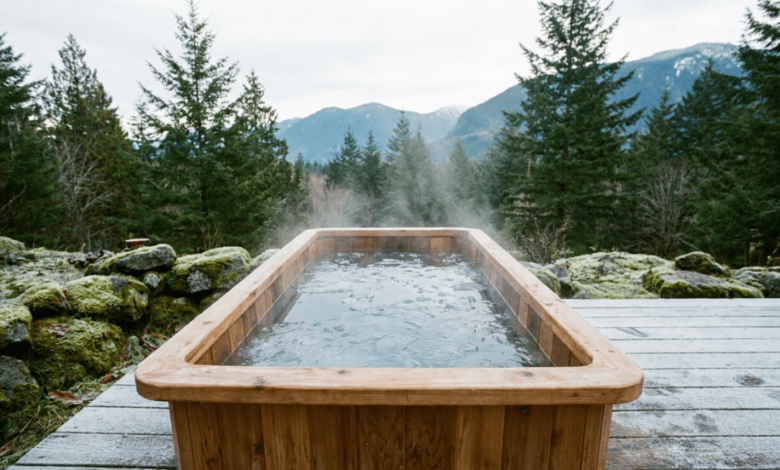
A complete beginner should start around 55 to 60 degrees Fahrenheit for 20 to 45 seconds, breathing slowly rather than holding their breath through the initial shock, and expect the sharpest part of the reaction to ease within two to three weeks of regular practice. There’s no prize for jumping straight to the coldest setting or the longest session on day one. The questions below are the ones people actually ask before, and during, their first few weeks of owning a cold plunge.
What Temperature Should a Complete Beginner Actually Start At?
Somewhere around 55 to 60 degrees Fahrenheit gives a genuine cold sensation without the more punishing effect of the mid-40s and below that experienced users often prefer. Starting colder doesn’t build tolerance faster; it just makes the first session unpleasant enough that some beginners quit before giving the practice a real trial. Dropping the target by a few degrees every week or two, once the current setting feels manageable rather than shocking, is a steadier path than picking the coldest number a chiller offers on day one.
How Long Should That First Session Actually Last?
Twenty to forty-five seconds is plenty for a genuine first attempt, and there’s nothing to gain from pushing longer before the body has any tolerance built up. A kitchen timer or phone alarm removes the guesswork, since a minute underwater in cold water reliably feels much longer than a minute measured on a clock. Most beginners can comfortably add 15 to 30 seconds every week or two as the shock response softens, working toward a two to four minute session over the first month or so rather than rushing it.
How Long Until the Gasping Actually Stops?
The involuntary gasp and rapid, shallow breathing that hits in the first 15 to 30 seconds of any session is a normal reflex, not a sign something’s wrong. Within a single session, slow, deliberate exhales longer than the inhales usually calm it within that first half-minute window. Across sessions, most beginners notice the whole reaction softening meaningfully within two to three weeks of practicing three or four times a week, though the very first entry of any given session tends to carry at least some of that reflex indefinitely, just less intensely over time.
Can Someone Out of Shape Safely Start Cold Plunging?
Generally yes. Fitness level matters less for a first cold plunge than most people assume, since the initial challenge is mainly about managing the shock response and breathing through it, not physical exertion. Starting at a milder temperature and shorter duration, then building gradually the same way anyone would ease into a new demanding practice, works regardless of current fitness. Anyone with a diagnosed heart condition, uncontrolled blood pressure, or who is pregnant should talk with a doctor before starting, since cold exposure triggers a rapid, real spike in heart rate and blood pressure on entry.
How Do Beginners Know When They’re Overdoing It?
Numbness that lingers well after getting out, shivering that doesn’t taper off within a reasonable time, or feeling foggy, disoriented, or genuinely unwell rather than simply cold are all signs to shorten the session or raise the target temperature. A beginner pushing to match an experienced user’s five-minute session in the first week is the most common way this happens; there’s no research-backed reason to rush the progression, and going slower doesn’t reduce whatever benefit the practice offers.
Before or After Coffee? Before or After a Workout?
Either order works for coffee, but plunging before caffeine avoids stacking two stimulating effects on heart rate at once, which some beginners find easier while still adjusting to the practice. For workouts, timing matters more around resistance training specifically: some research outside general recovery studies suggests immersing right after heavy lifting may blunt long-term strength and muscle gains, so many people separate the two by several hours or save plunging for cardio and rest days during their first months.
Shared-Tub Basics for a First-Time Guest or Housemate
Rinsing off before getting in keeps sweat, lotion, and sunscreen out of shared water, which matters more for water quality than most first-timers expect. A reasonable turn in a shared or household tub runs three to five minutes, and stepping out promptly rather than lingering to chat is the etiquette point that comes up most in shared-facility complaints. Anyone weighing a private setup against a gym or spa membership over a year can compare current pricing at sweatdecks.com against typical membership fees before deciding which actually fits their routine better.
Is a Cold Shower a Reasonable Way to Start Instead?
A cold shower is a genuinely useful trial run before buying anything, since it exposes a beginner to the same gasp reflex and breathing challenge at a much lower cost and commitment. It’s not a perfect substitute: a shower rarely gets as cold as a chiller-controlled tub, and full-body immersion produces a stronger, more consistent physiological response than water running over part of the body at a time. Someone unsure whether they’ll actually stick with a cold plunge routine can reasonably spend a couple of weeks finishing showers cold before deciding whether the fuller immersion experience is worth the investment.
What the Evidence Actually Supports for a New User
A 2025 systematic review and meta-analysis in PLoS One on cold-water immersion found modest support for improved mood and reduced perceived fatigue, without strong evidence of larger physiological change tied to any specific temperature or duration. A 2023 meta-analysis in Frontiers in Physiology found similar modest support for post-exercise recovery. A 2012 Cochrane review on cold-water immersion for muscle soreness described the overall evidence as limited and of low quality. None of this sets a required temperature or duration for a beginner to hit; it supports treating the practice as a reasonable, gradually built habit rather than a race to the coldest setting.
Frequently Asked Questions
What temperature should a complete beginner start at? Somewhere around 55 to 60 degrees Fahrenheit, cold enough to feel like a real cold plunge without being as punishing as the low-40s range experienced users prefer.
How long until a beginner stops gasping when getting in? The gasp reflex usually eases within the first 15 to 30 seconds of a session, and most people notice it softening within their first two to three weeks.
Can someone who is out of shape safely start cold plunging? Generally yes, starting with shorter sessions at a milder temperature and building up gradually.
How do beginners know if they’re overdoing it? Lingering numbness, shivering that doesn’t taper off, or feeling foggy rather than simply cold are signs to shorten sessions or raise the target temperature.
Should a beginner cold plunge before or after coffee? Either works, but plunging before caffeine avoids stacking two stimulating effects on heart rate at once.
References
- Effects of cold-water immersion on health and wellbeing: A systematic review and meta-analysis, PLoS One, 2025
- Effects of cold water immersion after exercise on fatigue recovery and exercise performance: meta analysis, Frontiers in Physiology, 2023
- Cold-water immersion (cryotherapy) for preventing and treating muscle soreness after exercise, Cochrane Database of Systematic Reviews, 2012
