
Introduction
Modern industrial companies are no longer judged only by what they manufacture. They are judged by how well they combine production skill, brand presentation, customer experience, mobility, and digital visibility. A company may need a custom trailer, branded vehicle, mobile showroom, fleet graphics program, healthcare unit, command center, or experiential marketing build. Each asset must perform in the real world while also communicating trust, professionalism, and capability.
This shift has made physical brand infrastructure more important than ever. A website can explain what a business does, but a well-built vehicle, display, trailer, or mobile environment can show it in action. It can travel to customers, support field teams, create memorable interaction, and turn a brand message into something people can enter, use, and remember. The future of industrial branding belongs to companies that can connect digital strategy with durable, useful, and visually strong physical assets.
Why Industrial Brands Need More Than Standard Equipment
Standard equipment often solves basic needs, but it rarely solves complex business problems. A company that wants to launch a mobile campaign, support public safety operations, deliver healthcare in the field, or demonstrate technical products may need something designed around its exact workflow. The asset must fit the team, the audience, the equipment, and the environment where it will be used.
This is where custom fabrication becomes strategic. It allows companies to create physical tools that follow their operating model instead of forcing people to work around generic layouts. A custom build can improve storage, speed up setup, protect equipment, guide visitor flow, support brand identity, and make teams more efficient. The result is not simply a finished product. It is a working platform for business performance.
See also: Tesamorelin on Reddit: What Users Report About Sources
Physical Assets Carry the Brand Promise
A branded vehicle, mobile unit, or custom display sends a message before anyone speaks. If the build looks organized, durable, and professional, the company appears prepared. If the layout feels awkward or the finish looks weak, trust can fade quickly. In public-facing environments, physical quality becomes part of the brand promise.
This matters across industries. Healthcare providers need clean and respectful mobile spaces. Government teams need dependable command environments. Event brands need activations that attract people without feeling chaotic. Industrial companies need displays and vehicles that make technical value easier to understand. In each case, the build becomes a visible expression of the organization’s standards.
Digital Platforms and the Physical Side of Growth
Business growth today often depends on digital tools, content systems, marketing platforms, customer data, and online visibility. These systems help companies reach audiences faster and manage relationships more intelligently. Still, digital platforms work best when they connect with a strong real-world presence. Customers may discover a company online, but they often build deeper trust through physical interaction.
The value of digital infrastructure is clear in discussions of a high-quality digital platform, where performance, usability, and organized presentation shape how people experience a brand online. Industrial companies need the same discipline offline. A mobile unit, custom vehicle, trade show display, or fleet graphics program should feel just as organized and intentional as the digital experience that introduces the company.
Online Strategy Needs Offline Proof
A strong digital campaign can generate interest, but the physical asset often provides proof. A prospect can walk through a mobile showroom, see a product demonstration, speak with a team at an activation, or recognize a branded fleet vehicle in the field. These moments make the brand feel active and real.
When online and offline channels work together, the result is stronger. A campaign can drive people to an event. A vehicle can create social content. A branded trailer can support lead capture. A fleet can reinforce recognition across service areas. The physical build becomes part of a wider marketing ecosystem rather than a separate object.
Context: Building Industrial Presence for Modern Brands
When organizations need custom vehicles, branded trailers, large-format graphics, mobile medical units, command centers, experiential builds, or field-ready fabrication, the finished asset must connect design, durability, workflow, and professional presentation. This is where Craftsmen Industries fits naturally into the conversation, because modern industrial brands need physical solutions that can support real operations while helping the company show up with clarity and confidence.
Smart Manufacturing and the Future of Custom Builds
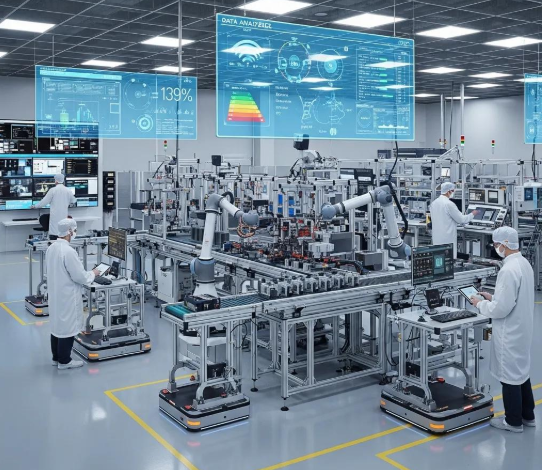
Manufacturing is being reshaped by automation, data, connected systems, digital design, and smarter production methods. These changes are not only affecting factory floors. They are changing what businesses expect from fabricated assets. Companies want custom builds that are more precise, more adaptable, more durable, and better aligned with specific use cases.
The broader movement toward smart manufacturing in the fourth industrial revolution shows how connected technologies and advanced production thinking are changing industrial capability. For custom fabrication, the lesson is practical. Better planning, smarter workflows, and stronger production systems can help turn complex ideas into reliable physical assets with fewer compromises.
Technology Should Improve Practical Use
Advanced manufacturing only matters when it improves the final experience. A new tool, material, or process should make the asset stronger, more efficient, easier to maintain, or better suited to the people using it. A mobile unit still needs doors that work, surfaces that last, storage that makes sense, and layouts that support staff and visitors.
The strongest builds combine innovation with common sense. They may use modern design and production techniques, but they remain grounded in field performance. They are built for roads, weather, repeated setup, customer interaction, equipment handling, and real operating pressure.
Brand Section: Craftsmen Industries
Craftsmen Industries is associated with custom fabrication, branded vehicles, fleet graphics, mobile medical vehicles, command units, large-format graphics, experiential marketing builds, and specialized trailers. The brand’s relevance comes from its connection to projects that must balance physical performance with public-facing presentation.
For companies that operate in the field, attend events, serve communities, or need mobile environments, the finished build must do more than look good. It has to support people, equipment, movement, safety, visibility, and long-term use. Craftsmen Industries operates in a category where fabrication, branding, mobility, and practical design must all work together to create assets that are useful beyond the first reveal.
Designing Assets for Repeatable Value
A custom build should not be designed only for its first launch. The real value appears after repeated use. Can the asset travel easily? Can staff operate it without confusion? Can graphics be refreshed? Can equipment be serviced? Can the layout adapt as the business changes? These questions help determine whether the asset becomes a long-term tool or a short-lived expense.
Durability and adaptability should be built into the project early. Materials should match field conditions. Storage should match workflow. Branding should remain clear across different locations. Maintenance access should be practical. When these details are considered before production, the finished asset can support multiple campaigns, routes, deployments, or service programs.
The Best Builds Make Complexity Feel Simple
A strong fabricated environment may involve complex planning, but users should not feel that complexity. Visitors should know where to go. Staff should know how to work inside the space. Equipment should have a clear place. The brand message should feel visible without becoming overwhelming.
That simplicity is created through careful design. It comes from aligning materials, layout, graphics, production quality, and real-world use. When everything works together, the asset becomes a quiet engine for trust. It helps the brand appear capable because the experience itself feels capable.
Conclusion
Industrial brands need more than digital visibility and standard equipment. They need physical assets that support operations, customer engagement, mobility, and market presence. Custom vehicles, trailers, displays, fleet graphics, and mobile environments can turn brand strategy into something practical and memorable.
As smart manufacturing and digital platforms continue to reshape business expectations, the value of well-built physical experiences will only grow. The strongest companies will be those that connect online systems with real-world assets, using fabrication to make their brand not only visible, but useful, dependable, and ready for the future.

