
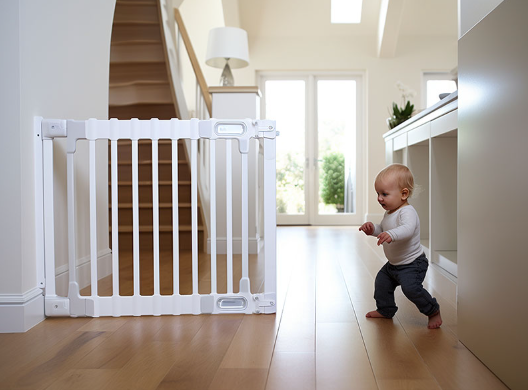
Childproof home improvement begins with a clear hazards assessment and a plan to address risks systematically. Prioritize observable dangers, ventilation, and access control with a concise checklist and safety locks. Choose kid-friendly, durable materials and non-toxic finishes that resist wear. Improve storage with labeled, closed containers and visible layouts to deter exploration, while upgrading cabinet hardware and adding non-slip seals. Simple, budget-friendly upgrades support ongoing preventative evaluation, and the next steps become easier with a steady, methodical approach.
Prioritize Childproofing: Key Hazards to Lock Down
Childproofing begins with a clear assessment of potential hazards and a plan to address them systematically. The approach prioritizes observable dangers, ventilation, and access control, aligning with a practical, evidence-based mindset. A concise childproofing checklist guides actions, while safety lock mechanisms restrict risky areas. This preventative stance respects freedom while reducing exposure to harmful environments, enhancing safe exploration and confident autonomy.
Kid-Friendly Materials and Finishes for Safe Spaces
After establishing priority hazards and access controls, selecting appropriate materials and finishes becomes a step-by-step safeguard for a safer living area.
The focus is on kid friendly materials, safe finishes, and durable surfaces that withstand frequent contact.
Non toxic sealants reduce exposure while preserving aesthetics.
Practical, evidence-based choices support preventative decisions and empower a freedom-minded household to minimize risk.
Smart Storage and Layout Tricks to Deter Curious Explorers
Smart storage and layout strategies leverage organization and sightlines to reduce opportunities for exploration. By placing high-risk items out of reach, organizing supplies in labeled, closed containers, and designing clear traffic patterns, homes become safer without feeling restricted. Sensor guarding and corner safety measures further limit access to hazards, supporting preventative routines while preserving a sense of freedom and curiosity.
Quick Fixes and Upgrades That Don’t Break the Bank
This section highlights practical, budget-friendly upgrades and quick fixes that reduce hazards without requiring major renovations.
Quick improvements include selecting budget friendly paint choices that resist chips and fingerprints, applying non-slip finishes, and sealing corners.
Upgrades like durable cabinet hardware simplify maintenance and improve safety, while modular organization minimizes clutter.
These steps support safe exploration without costly remodels.
Frequently Asked Questions
How Can I Childproof Outdoor Electrical Outlets Safely?
Outdoor outlets should be protected with weatherproof covers, ensuring they remain closed when not in use. Install ground fault protection and keep plugs dry; inspect annually. This prevents shock, promotes outlet safety, and supports a practical, preventative approach for freedom.
Which Door Hinges Prevent Finger Injuries for Toddlers?
Door hinges designed with soft-close mechanisms or finger-safety features minimize finger injuries for toddlers, reducing pinching risk. Practical, evidence-based choices emphasize smooth, recessed hinges and protective guards, enabling freedom while maintaining safe, functional environments for curious children.
See also: Technology and the Future of Workspaces
Are Stairs Safer With Color-Coded High-Contrast Treads?
A recent 25% reduction in stair-related injuries accompanies higher color contrast guidelines; color coded steps and high contrast treads improve tread visibility, making stairs safer. The approach favors color contrast, color coded steps, and evidence-based prevention.
What’s the Best Age-Appropriate Height for Reachable Storage?
The best age-appropriate height for reachable storage varies; aim for age-appropriate, adjustable options that promote storage accessibility. Height appropriate designs reduce climbing risks, and parents should reassess as children grow, ensuring accessible, organized, safety-enhanced storage solutions.
How Often Should I Recheck Childproof Measures?
Rechecking schedule? Every few months, consistently, according to a steady maintenance routine. The detached observer notes evidence: regular checks reduce risk, empower parents, and prove caution isn’t imprisonment—it’s practical, evidence-based freedom, preserving safety with minimal intrusion.
Conclusion
Conclusion:
Implemented, practical safety measures fuse evidence-based practices with proactive prevention. A clear hazard plan, kid-friendly materials, and organized, labeled storage collectively reduce risk and model consistent routines. Regular checks and modular upgrades maintain protection without heavy costs. Anachronism: the chalkboard of yesterday still guides today’s kidproofing—simple, visual reminders endure, transcending trends. In this light, home improvements become ongoing prevention: observable dangers addressed, safe spaces created, and curious explorers steered toward secure, healthy environments.

