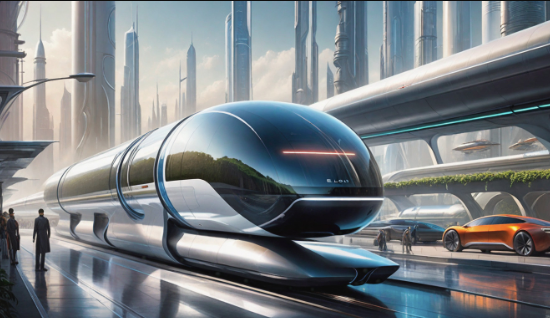
Technology is fundamentally transforming transportation systems worldwide. The emergence of electric and autonomous vehicles presents new opportunities for efficiency and sustainability. Concurrently, innovations in public transit and shared mobility are reshaping urban mobility dynamics. Smart infrastructure is further enhancing connectivity and safety within metropolitan environments. As these elements converge, questions arise about their long-term implications for urban planning and ecological balance. What challenges and solutions will define the next phase of this evolution?
The Rise of Electric and Autonomous Vehicles
As cities grapple with the challenges of urbanization and environmental sustainability, the rise of electric and autonomous vehicles presents a transformative opportunity for the future of transportation.
Increasing electric vehicle adoption, driven by advancements in battery technology and infrastructure, complements autonomous driving technology’s potential to enhance mobility.
Together, they promise reduced emissions and improved efficiency, fostering greater freedom in urban mobility while addressing pressing environmental concerns.
Innovations in Public Transit and Shared Mobility
The evolution of transportation systems is increasingly characterized by innovations in public transit and shared mobility, which complement the advancements seen in electric and autonomous vehicles.
Micro mobility solutions, such as e-scooters and bike-sharing, enhance urban transport options, while ride sharing platforms transform personal travel, offering flexibility and efficiency.
Together, these innovations foster a more interconnected, accessible transportation landscape, promoting individual freedom and sustainability.
How Smart Infrastructure Is Shaping Urban Transportation?
While urban transportation systems face increasing demands from population growth and environmental concerns, smart infrastructure emerges as a pivotal solution.
By integrating smart traffic management and real-time data analytics, connected cities enhance mobility, reduce congestion, and improve safety.
This technology fosters a seamless urban experience, empowering citizens with efficient transport options while promoting sustainability and resilience in an ever-evolving urban landscape.
See also: 1spotmedia
The Future of Sustainable Transportation Solutions
Recognizing the urgent need for environmentally friendly alternatives, the future of sustainable transportation solutions hinges on innovative technologies and practices that aim to reduce carbon footprints and enhance energy efficiency.
Green logistics will play a pivotal role, integrating alternative fuels and advanced supply chain strategies. This evolution not only promotes ecological balance but also empowers individuals with freedom through accessible, sustainable transport options.
Conclusion
In conclusion, the evolution of transportation, driven by technology, heralds a transformative era characterized by electric and autonomous vehicles, innovative public transit systems, and smart infrastructure. The theory posited by urban planners that integrated mobility solutions can significantly reduce urban congestion and carbon emissions is increasingly substantiated by emerging data. As cities adopt these advancements, they not only enhance operational efficiency but also foster sustainable practices that align with ecological imperatives, ultimately reshaping the urban mobility landscape.