Technology is reshaping the landscape of workspaces in profound ways. Remote work tools facilitate communication across diverse teams, fostering collaboration and creativity. Meanwhile, AI enhances productivity by streamlining workflows. As organizations prioritize flexible and inclusive environments, they cultivate a culture that drives innovation. However, the question remains: how will these advancements redefine the nature of work and interpersonal connections within teams? The answer lies in the evolving dynamics of our interconnected world.
The Rise of Remote Work Technologies
As organizations increasingly embrace flexibility, remote work technologies have emerged as pivotal enablers of this transformation.
These tools facilitate seamless communication and collaboration, empowering digital nomads to work from anywhere while retaining productivity.
The rise of such technologies not only enhances individual autonomy but also redefines traditional work paradigms, allowing businesses to thrive in a dynamic, interconnected world where freedom becomes the norm.
How Virtual Collaboration Tools Are Changing Team Dynamics
The proliferation of remote work technologies has set the stage for a profound transformation in team dynamics.
Virtual communication tools enhance flexibility, enabling diverse teams to collaborate seamlessly across distances. This evolution fosters greater team cohesion, as members engage in real-time discussions and share resources effortlessly.
Ultimately, these innovations empower individuals, cultivating a culture of autonomy and creativity within modern workspaces.
The Impact of AI on Productivity and Workflow
While many organizations grapple with the complexities of modern work environments, the integration of artificial intelligence (AI) into productivity and workflow processes emerges as a transformative force.
AI integration facilitates workflow optimization through task automation and enhances decision support, allowing teams to focus on strategic initiatives.
This shift not only elevates efficiency but also empowers employees, fostering a culture of innovation and adaptability in the workplace.
See also: Technology and the Future of Transportation
Designing Future Workspaces: Flexibility and Inclusivity
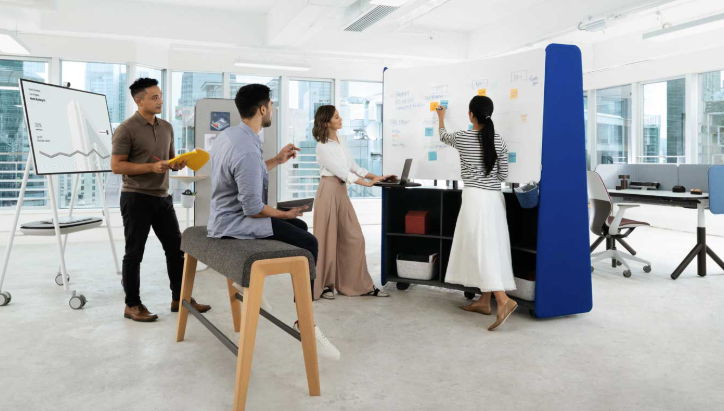
In an era where work dynamics are continuously evolving, designing future workspaces necessitates a focus on flexibility and inclusivity to meet diverse employee needs.
Adaptive layouts allow for seamless transitions between collaboration and individual work, fostering creativity.
Inclusive design promotes accessibility for all, ensuring that every employee feels valued and empowered.
This visionary approach not only enhances productivity but also cultivates a harmonious workplace culture.
Conclusion
As technology continues to reshape workspaces, the integration of remote tools, AI, and adaptable designs cultivates an environment where creativity flourishes. Critics may argue that such reliance on digital platforms can hinder personal connections. However, the evolution of virtual collaboration fosters deeper relationships across diverse teams, bridging geographical divides and enriching workplace culture. Ultimately, these innovations not only enhance productivity but also empower employees to thrive in an inclusive, dynamic landscape, paving the way for a more resilient future.